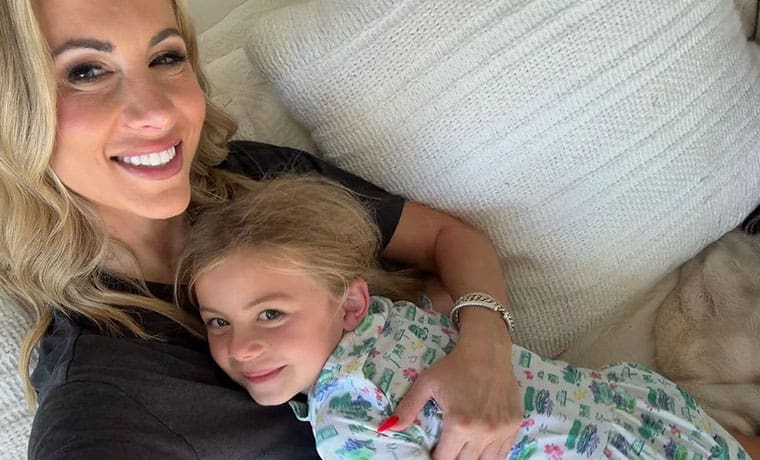
Self-control is tough, even for adults. Ask anyone who’s ever started Whole 30 on January 1st! As parents, we are tasked with helping our kids learn self-control, but it’s not quite as simple as teaching the ABCs. If we help grow this important quality in them, kids can make appropriate decisions and respond to stressful situations in ways that can yield positive outcomes.
For example, if you say you’re not serving ice cream until after dinner, your child may cry, plead, or even scream in hopes that you will give in. But with self-control, your child can understand that a temper tantrum means you’ll take away the ice cream for good and that waiting patiently is wiser. Here are 7 suggestions for helping little ones learn to control their behavior.
Self-Control for Kids Up to Age 2
1. Distract your child.
When your young child focuses on something she wants but can’t have, her emotions can quickly escalate into frustration. By offering a distraction, such as a different toy or a new activity, you help your little one shift her focus. This redirection teaches her that she doesn’t have to fixate on one thing and can be happy with something else.
2. Give it a name.
Labeling the act of waiting or resisting an impulse as “growing your self-control muscle” gives your child a concrete idea to associate with his behavior. Even though your young child may not fully understand the concept of self-control, he can grasp the idea of growing strong like a “big kid.”
3. Have a timeout.
For kids reaching the 2-year-old mark, try a brief timeout in a designated area—like a kitchen chair or bottom stair—to show the consequences for outbursts and teach that it’s better to take some time alone instead of throwing a tantrum. This short pause helps your child start to recognize that certain behaviors lead to different outcomes.
4. Give kudos.
When your child shows self-control, sing his praises. Using positive language reinforces that his actions are good and important and encourages him to repeat the behavior. Praise your child by name and mention specifically what he did. For example, “Sutton, look what you just did! You waited like a big kid!” Toddlers might be too young to understand every word, but they’ll hear your tone and get excited!
Self-Control for Kids Ages 3 to 5
1. Adjust timeouts.
You can continue to use timeouts, but rather than enforcing a specific time limit, end timeouts once your child has calmed down. At this age, your child can better understand the cause-and-effect relationship between her behavior and a timeout. Knowing that specific actions (like hitting, snatching toys, or yelling) will lead to a timeout helps your child start to think about her choices and the potential outcomes, a crucial aspect of developing self-control.
2. Plant seeds.
Help your child believe in himself by planting seeds with your words. Say, “I bet you can wait five minutes until we get home to have something to drink. And I know you can do it without complaining. I believe in you!”
3. Reward your child.
At this age, children are highly motivated by praise and tangible rewards. These incentives can reinforce your child’s ability to manage impulses and make good choices, such as sharing, waiting her turn, or not losing control in a frustrating situation. Make a big deal of her success with our Printable Self-Control Award Certificate.
Do you have any tricks for teaching little kids self-control? Share them below!
Adapted with permission from KidsHealth.