I watched my friend Kerry struggle with her son in the pool. “Listen!” she said. “You have to push your chest up to the sky—” He ducked underwater. A few seconds later, he popped up and she tried again. “The backstroke takes a lot of strength in your—” He disappeared, a ripple swirling on the surface above his head. “Stop that,” Kerry said, once he surfaced again. But he didn’t linger. Kerry simmered with frustration as he took off underwater once more. I felt for her.
Some things come easily for kids, but with my friend’s son, he gave up quickly on the backstroke when he didn’t catch on right away. We want to teach kids to persist when things get tough. But how? Perseverance for kids starts with a shift in expectations. Here are 5 ways to teach kids to be patient and have perseverance when they want quick results.
1. Help them understand it’s a difficult journey and they’re at the beginning.
“You weren’t born knowing how to do this.” I sat with my daughter, staring at her math homework. “If you want to be good at something, it takes time.” In an age when internet speed is fast, dinner gets delivered to your doorstep in under a half hour, and you skip the movie theater because movies go straight to streaming, we get used to wanting something and seeing results fast. But mastering a skill takes time. Talk to your child about being realistic and not expecting immediate results. “Look,” I said. “This is new and it’s tough. It’s going to take some time and that’s OK.”
2. Help them set small, achievable goals.
“Let’s work on simply connecting with the ball,” I said to my son, passing him the baseball bat. One of his teammates regularly hit doubles and triples, but my son hadn’t been playing the game as long. We needed to focus on one thing at a time. “Once you’re connecting regularly with the ball, we can tweak your stance,” I said. “Meanwhile, I think we should celebrate when we see improvement with your swing. What do you say?”
3. Teach them that bumps are a normal part of the journey.
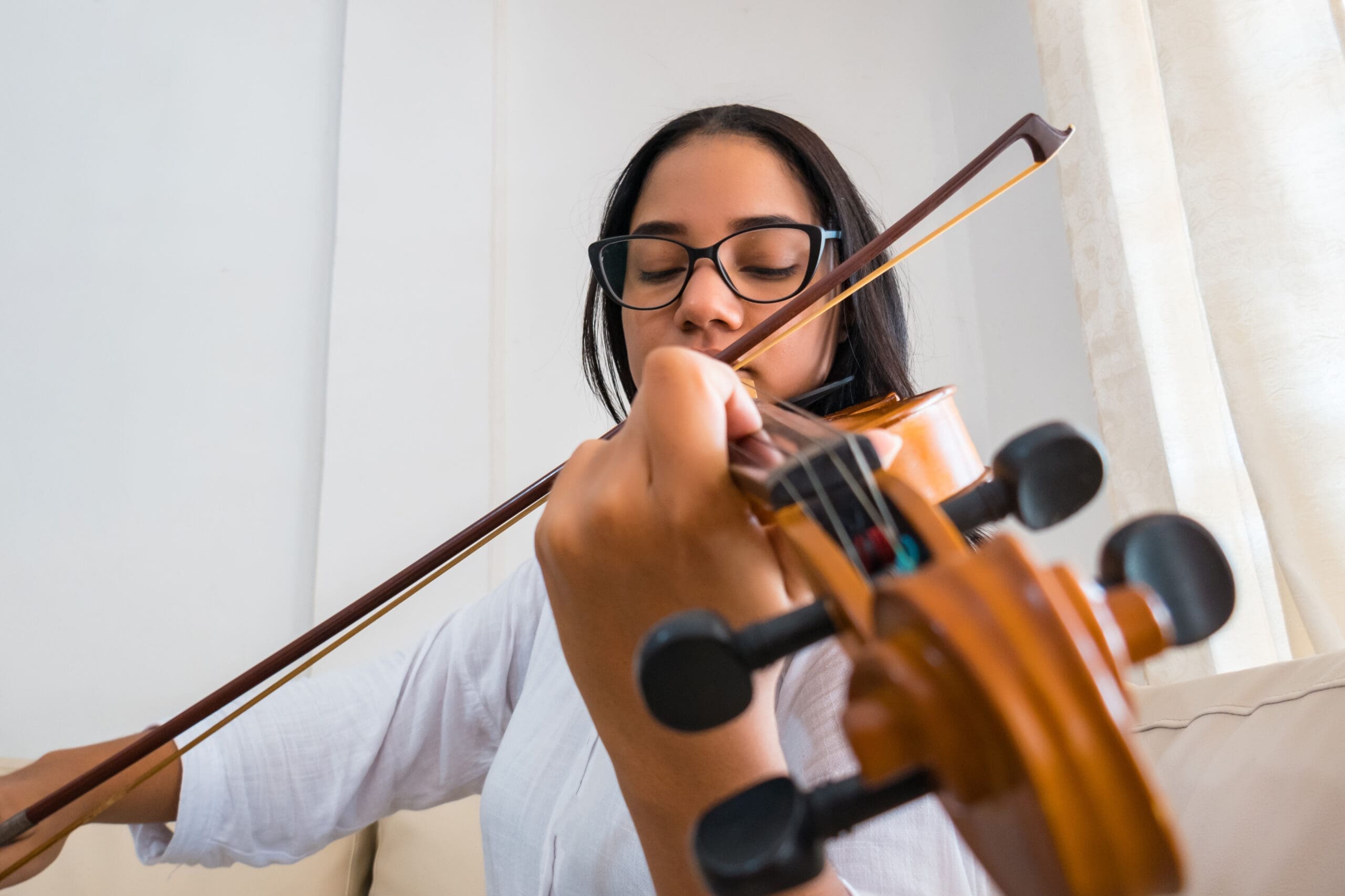
My daughter has taken piano lessons for a few years now, but because of a busy school year, her music has taken a back seat. She also sprained her finger last month and had trouble practicing with her left hand. Her teacher told us with some more focus and dedication, she could get back on track. Life is full of bumps. And learning an instrument will have periods of big and little growth. But that’s OK! Sticking to it is what matters. Progress is progress.
4. Teach them that it may be hard to see progress, but it’s happening.
As adults, we may set fitness or weight-loss goals but get discouraged and stop when we don’t see anything happening. But I’m positive that exercising more and eating healthier foods are impacting our health. We just may not notice it. Likewise, when our kids start something new, something is happening every time they practice, whether it pertains to muscle memory or comprehension of a concept. Noticeable results may take time with kids, but it’s the little, invisible steps along the way that build the foundation for real learning. Just like the scale: the number might not budge, but changes are happening on the inside.
5. Teach them that the time frame to reach their goals is flexible.
What happens when we set a goal and don’t reach it? We get frustrated and give up. Try moving the deadline back if your child needs more time. When my friend Kerry’s son didn’t make Tenderfoot in Boy Scouts because of other things happening in his life, Kerry and her husband talked to him about creating a new time frame to level up. This made their son feel reenergized about working toward his goal instead of feeling stuck or giving up. As licensed clinical social worker Amy Morin states, “Self-discipline is more important than IQ when it comes to predicting academic success.” So, encourage perseverance for kids. Help them stick with it even if the journey’s a little longer than they expected!
Based on Amy Morin’s book 13 Things Mentally Strong People Don’t Do.
What other advice can you offer to help develop perseverance for kids?