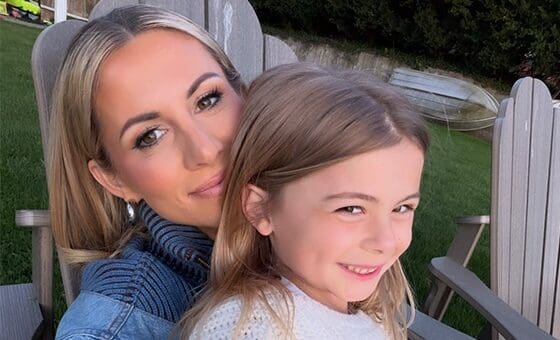
My daughter mumbled something under her breath as she turned to go. “What did you just say?” I demanded. I’d just caught her playing on her phone instead of doing homework. She flicked her hair over her shoulder and gave me a withering look. I narrowed my eyes. “Did you just call me ‘the worst?'” With an overly dramatic sigh, she said, “Maybe.” Then she stalked off. Honestly, the lack of respect bothered me more than the phone thing. And when kids don’t respect their parents, it leaves a really sour taste in the mouth. So, what do we do?
There are no easy answers, but there are things we can do if we want our children to respect us. Check out the following 10 ways that will, at the very least, get your kids on the right path.
1. Respect your children.
You know when you’re not at your best, or being outright disrespectful, and so do your kids. But as the parent, respect is something we can teach by doing. Simple things like knocking before entering their rooms and asking their opinion on which chores are better suited for which child instead of always dictating how it’s going to be will show your children you respect them.
2. Respect your husband.
This is huge. The relationship between parents sets the tone for the greater family dynamic. When children witness Mom and Dad treating one another with love and respect despite their differences, the standard has been set. If, conversely, kids witness their parents bringing one another down, it’s an uphill climb from there. Be a united front in front of your kids and work out any differences behind closed doors.
3. Be consistent.
Children need to know what to expect. And being consistent is one of the most important things you can do as a parent. Consistency will cut down on misbehavior because your children will know the consequences if they step out of line. Also, kids feel more secure and safe when they’re given rules and boundaries. It’s another way you can show them love. Inconsistency, on the other hand, leaves kids floundering. They don’t know what rules to follow from one day to the next. Consistency is both a compass and an anchor.
4. Follow through.
“No video games for a month!” But once I cooled down, I thought, Did I really say, a month? Eek. That’s a long time. It’s easy to get carried away with discipline in the heat of the moment. But what you say, even when you’re upset, should be carried out. If not, your child learns that your words don’t really matter. And when you don’t follow through, your credibility and your respect go out the window. So before you dole out a consequence, take a breath. Think carefully. You may even say something like, “I’m going to think about what your consequence will be and get back to you tonight.”
But if you’ve issued month-long video game ban and walked it back, don’t worry. We’ve all been there. Next time, just take a moment to make sure the consequence is doable and fits the situation.
5. Discipline with love.
Children who are given a reason for their punishment can accept consequences more easily than those who are told “because I said so.” Take an extra minute to explain why you’re giving the consequence to your child. “You didn’t get off your screen when you were told, so you’ve lost your screen privilege tomorrow.” Doing so shows loving respect for your child. He’s going to learn from his behavior because he understands why he received the consequence. Slowing down discipline in this way is an act of love that cultivates respect for parents.
6. Live with integrity.
Children are master observers. They notice if you have a good work ethic, if you are generous with tips, if you help others, if you talk positively about others behind their backs, and so on. These are areas where we build and sustain the kind of character our kids will respond to with respect. So before you vent your frustration about another person, consider the effect it’ll have on how your child will live his life when he feels wronged. Then choose a path of integrity, and if possible, give grace more often than not.
7. Be a family.
I read a ton of reviews on a particular card game and finally bought it for our family. Let me just say, it lived up to all the glowing reviews! I snorted laughter for the first time in months, and my jaw seriously dropped when I saw my husband double over in a fit of laughter.
It can be easy to fall into a rut with your family, making the same meals, and going through the same daily routines. But being more intentional with family life can cultivate respect in your kids. Be proactive. Share meals together. Attend special events, festivals, or concerts. This shows your kids not only that you love them, but you love being with them and making memories with them too.
8. Be a leader.
Parents are family leaders. So, how can you be a good leader to your kids and cultivate respect along the way? Be consistent with rules and boundaries. Protect family time. Be proactive with encouraging your family’s values. And carve out time each day to express gratitude and pray together.
9. Don’t try to be their friend.
This can be hard because we want so much to be liked by our kids, but that’s not something we should be fishing for. Do the parent thing to the best of your ability. You’re there because you love them and that’s something the kids can, and will, respect. As your children grow into young adults, your relationship will shift and might look a little more like a friendship. But for now, keep the parent-child roles clear.
10. Tell the truth.
We’re not just talking about words here. Tell the truth about what you believe and then follow through if you want your kids to respect their parents. Tell the truth about what your values are and then live them. And tell the truth about your love and then love with as much energy as you can muster. Be genuine. Let your gifts come through. Do your very best at being who you are. They’re not going to love anything short of your authentic self.
What else is needed to teach kids to respect their parents?