
Even responsible teens make mistakes, push boundaries, or try things they aren’t ready for. But parents still have way more influence over their teens than they realize. Research from a 2021 CDC study shows that when parents stay involved by knowing where their teens are, talking often, and setting expectations together, teens engage in far fewer risky behaviors.
Your steady presence really does make a difference, even on the days your teen seems annoyed by everything you say or do. But having a steady presence doesn’t mean hovering. It means staying connected, paying attention, and guiding them through a world that’s way more complicated than the one we grew up in.
Today’s teens face pressures around technology, grades, and relationships that can nudge them into unsafe choices. Being aware of the things teenagers do that can put them at risk helps you step in with support before problems grow. Here are 13 risky behaviors teens might do, and what you can do about them.
1. Drinking
The CDC reports that “alcohol is the most common drug that young people use.” A 2023 survey found that 9% of high school students reported binge drinking in the prior month. Five percent of respondents drove after drinking, and 16% rode with a driver who’d been drinking. Alcohol increases teens’ risk of death or injury in a car crash or other accident and may per manently alter their still-developing brains. No amount is safe at this age. Research from 2022 also shows that people who drank heavily as teens were more likely to have health and substance abuse problems throughout life.
Stay involved: Know where your teen is going, who’s hosting, and if adults will be home. Create an exit plan together. If your teen texts you “headache,” that signals you to swoop in with a no-questions-asked pick-up. Reinforce the “Call or text me anytime, for any reason” rule so your teen knows safety always comes before getting in trouble. Use the old-school method of giving your teen a hug when he gets home so you can smell his breath and look into his eyes. And use our Drinking and Drugs Discussion Guide to start a conversation with your teen.
2. Vaping
Vaping has become so common in our culture that some teens see it as “no big deal,” especially when the devices look like USB sticks and the flavors sound like candy, including Mango Ice and Blueberry Sour. What most don’t realize is how addictive the nicotine is, and the chemicals in the vapor can damage lungs that are still developing. Teens are also using nicotine pouches like Zyn, at higher and higher rates. Be sure you know what a Zyn-type pouch looks like in case you find one in your child’s laundry or in his room.
Stay involved: Start with honesty: “I know vaping seems harmless, but the research is saying something really different. What do you think about vaping?” And know the signs, which include sweet smells, odd USB devices, or drinking more water than usual. But you also have to be realistic. Scare tactics, even when they’re factual, are less effective for teens. That’s why monitoring your child’s behavior is so important. You are his safety net, even when he doesn’t think he needs one.
3. Misusing Prescription Drugs
Teens today are under intense pressure—grades, college apps, sports—and some turn to drugs not prescribed to them like Adderall, opioid pain medications, or anxiety meds because they think it will help them keep up. Others experiment simply because they’re curious or see friends doing it. And in most cases, these pills aren’t coming from strangers either. They’re coming from the family medicine cabinet or a friend’s house.
Stay involved: Do a quick medicine cabinet clean-out. Safely dispose of any expired or unused items, then lock up what’s left. Open a conversation about peer pressure and drug use.

4. Having Sex
While the risk of pregnancy should be reason enough to help teens avoid sex, lesser-discussed repercussions like STIs, STDs, depression, and an increased risk of suicide and sexual violence are just as real. There’s also a teen mindset that oral sex isn’t “really” sex—but it, too, comes with risks. Encouraging abstinence spares teens undue stress and heartbreak.
Stay involved: Keep the conversation ongoing, not a one-time “big talk.” These conversation starters about waiting for sex are good ones to try.
5. Watching Porn
Too much screen time increases the chances of teens seeing porn. Once they’ve seen it, they can’t unsee it, and some will return to it. Pornography teaches kids that sex is a commodity, not something to be valued with a spouse. It can be addictive, and addicted teens may need porn intervention. The nonprofit Fight the New Drug states that “most kids today are exposed to porn by age 13.” That includes girls. Even one run-in with porn can pique a good kid’s curiosity.
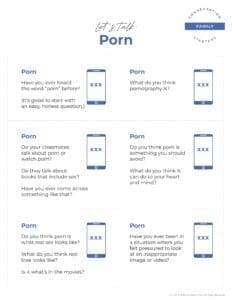
Stay involved: Monitor your teens’ internet use. Keep screens out of bedrooms. Put safeguards on all devices. Talk openly and calmly: “If you ever come across sexual content online, I won’t be angry with you. I just want to help you process it.” Make the conversation about healthy relationships and real intimacy, not shame. These conversation starters can help it feel less awkward. Install internet filters (ones like Aura will block gambling sites too) and check in occasionally so your teen knows you’re paying attention.
6. Staying Online Constantly
According to the Pew Research Center, in 2022, over half of 15- to 17-year-olds said they use the internet almost constantly; over a third of 13- to 14-year-olds said the same. Too much screen time comes with potential health issues: obesity, difficulty sleeping, eye strain, behavior problems, depression, and other mental health issues.
Stay involved: Establish simple “phone-free zones” like bedrooms after 9 p.m., the dinner table, and family time. Try a weekly detox together: “Let’s both take a break from our devices on Sunday and see how we feel afterward.”
7. Using Social Media
Social media is where teens socialize, express themselves, and keep up with their world. Jonathan Haidt, the author of The Anxious Generation, said in an interview that social media is “addictive and was designed to maximize engagement.” In the same interview, he said that, for TikTok in particular, “Compulsive usage correlates with a slew of negative mental health effects like loss of analytical skill, memory formation, contextual thinking, conversational depth, empathy…”
Stay involved: If you allow social media, make following your child’s account a basic condition. And keep in mind Haidt’s argument when your kids say they need social media to stay connected: “[T]he best way to connect is in person. And the second best way is by telephone or Zoom or FaceTime. And the worst way to connect is by posting … and having people comment on it … That seems to cause anxiety. That does not make people feel connected.” Keep the conversation going about what your teen views, likes, and shares. Also, make it clear that secret social media accounts are not OK.
8. Sending Inappropriate Texts

A 2021 meta-analysis of nearly 50,000 teens found that approximately one in five youth send sexts, one in three receive them, and one in seven forward sexts without consent. And a separate 2024 study in the UK found that nearly three-quarters of teens who shared intimate photos regretted doing so.
Stay involved: Make it normal to check in by asking, “Who are you texting these days?” in a curious, not suspicious, tone. Talk openly about what kinds of photos are OK to share and which ones could get them into trouble. Review your Cell Phone Contract together every few months as a check-in.
9. Coming and Going Unannounced
It takes real work to know where your teen is, who he’s with, and what he’s doing. Staying aware makes it harder for your teen to engage in activities you want him to avoid. So do that hard work. Ask, then verify. And that phone you pay for needs to be on and answered every time you call or text.
Expect teens to push back when you keep tabs on them. They won’t like it, but communicating that you care about their whereabouts is another way of saying you love them.
Stay involved: Make “Where are you going? Who will be there? When should I expect you home?” part of the normal rhythm before your teen leaves the house. In addition to monitoring apps like Life360 or Find My Friends, consider requiring your teen to send a quick check-in text when he arrives somewhere, and when he’s heading home.
10. Texting and Driving
Car crashes are the leading cause of death for teens. Phones are a huge distraction to teen drivers: Notifications, group chats, music apps, and GPS all compete for their attention. Passengers are also a distraction and increase the risk of a crash. Helping teens build safe habits from day one is key, and it starts with consistent rules and parents who practice the rules too.
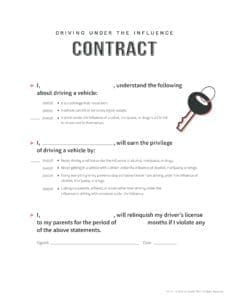
Stay involved: Stick to your Teen Driving Contract and follow through on consequences. Model what you expect. No grabbing your phone at red lights, even for “just a second.” Newer cars will help you track your teen’s driving habits. Life360 will also track how fast your child drives and if she’s using her phone while driving.
11. Staying Up Too Late
Johns Hopkins pediatrician Michael Crocetti, M.D., M.P.H., says teens need nine and a half hours of sleep per night, which is more than 10-year-olds need. More sleep supports teens’ growth but “also helps protect them from serious consequences like depression or drug use,” Crocetti says. Help teens get the sleep they need by turning off screens at least an hour before bedtime. Screens prevent the sleep-inducing hormone melatonin from kicking in.
Stay involved: If your teen seems exhausted, ask what’s keeping her up. A teacher we know said that when she asks her students how late they stay up, many of them are up well past midnight. When she asks them if their parents know how late they stay up, they just laugh. Create a family habit of plugging phones in outside bedrooms an hour before bed so everyone gets a reset. Work together on better routines rather than just telling your teen to “Go to sleep earlier.”
12. Overusing Caffeine
More teens today are fueled with energy drinks and coffee. High levels of caffeine can cause health problems and mask your child’s need for food and sleep. Additionally, combining energy drinks with alcohol is extremely dangerous. A 2022 Columbia University article says that “caffeine has no nutritional value (for kids) but plenty of side effects that negatively impact health.” And the American Academy of Pediatrics says that drinking energy drinks “can cause anxiety, hyperactivity, inattention, sensation-seeking, and poor decision-making.”
Stay involved: If your teen suddenly becomes dependent on energy drinks (or an iced coffee at 9 p.m.), ask what’s really going on: “Are you feeling stressed? Overbooked?” Set a family rule against energy drinks, then work together on the root issue, whether it’s shifting schedules, prioritizing rest, or adjusting commitments.
13. Living Off Fast Food
Teenagers’ schedules are packed with classes, early-morning club meetings, after-school practices, and hanging out with friends. So, grabbing quick food on the go is pretty normal. But their growing bodies and busy minds really do need healthy fuel to keep up.
Stay involved: Aim for at least one family meal together, even if it’s eaten standing up in the kitchen before your teen dashes to practice. Keep the pantry stocked with quick, healthier options like microwaveable quinoa bowls, yogurt, and ready-cut fruit for busy days. Ask your teen what healthy snacks he’ll actually eat and build from there.
How do you handle the things that teenagers do that put them at risk?