According to the Pew Research Center, over 60 percent of teens use TikTok, many daily. On the platform, kids pick up phrases, acronyms, and references that don’t always make sense outside the app itself. But those phrases still manage to make it into teen slang, whether your kid is on TikTok or not.
TikTok slang is closely tied to the platform’s features, algorithms, and creator culture. Terms like “FYP,” “duet,” or “shadowbanned” describe how TikTok works and how users interact with it. Other phrases may sound familiar but sometimes take on entirely new meanings inside TikTok’s ecosystem.
If you’re looking for a broader guide to the slang teens use everywhere, take a look at our general teen slang list. The article below zooms in specifically on TikTok language with a mom-friendly breakdown of TikTok slang and terms you’re most likely to encounter from your teen.
TikTok Platform Features
These TikTok slang terms refer to standard tools and mechanics used on the app.
Algorithm: the system TikTok uses to decide which videos show up on someone’s For You Page
Teens often blame the algorithm when their content doesn’t perform well. (“The algorithm hates me.”)
CapCut: a popular video-editing app commonly used to create TikTok videos, especially for trending templates and effects
Duet: a split-screen feature that allows a user to record alongside another video
Filter / Effect: AR (augmented reality) overlays or visual modifications applied to videos
Some filters go viral and become trends in their own right.
For You Page (FYP): the personalized feed TikTok builds for each user, based on what they watch, like, and engage with over time
Looking at your child’s FYP gives you insight into the kind of content he is absorbing, so take a look frequently (and talk about it together).
#FYP / #ForYou: used by creators to boost reach on the For You Page
While the actual effectiveness of hashtags remains up for debate, many teens use them constantly.
Green Screen: an effect that lets users place themselves in front of images, videos, or screenshots
Link in Bio: directs viewers to click the link in the creator’s profile for more info, products, or content (since many accounts still can’t add clickable links directly in videos)
Live / Going Live: a livestream feature where creators can interact with viewers in real time
Sound: the audio attached to a video
Using trending sounds can help a video reach more people.
Stitch / Stitching: a feature that lets a user clip a portion of someone else’s video and add their own response or continuation
Popular TikTok Content Formats
These are the types of videos teens often watch or create.
Collab: short for collaboration, when two creators work together on content
Day in the Life / #DITL: videos that follow someone through their daily routine, often used to show relatable or aspirational lifestyles
GRWM (Get Ready With Me): a video format where creators film themselves getting ready (makeup, outfit, hair) while chatting or telling stories
Haul: videos created to show what a person bought or found (“I just got back from Sephora. Let me show you my haul.”)
Part 2: used when a video is continued in another post, often to build suspense or boost engagement
POV (Point of View): a style of video where the creator acts out a scenario from a specific perspective
Storytime: a storytelling format where creators share a personal experience or dramatic moment, often starting with “Storytime: When I…”
Transition: a visual editing technique where a creator changes outfits, scenes, or appearances mid-video, often by covering the camera briefly
TikTok Communication & Vibe Language
These TikTok slang phrases are how teens describe people, moments, and energy on the platform.
CEO: used humorously to say someone is the best at something (“She’s the CEO of awkward small talk.”)
It’s giving: a phrase structure used to describe the vibe or impression something creates (“That outfit is giving early 2000s.”)
Main Character / Main Character Energy: acting confident or as if life centers on them, often used positively (“She walked into school with main character energy.”)
NPC: short for non-player character
In TikTok slang, NPC describes someone who acts robotic or scripted. It also refers to a viral livestream trend where creators act like video game characters for tips.
Trending TikTok Phrases
These are catchphrases and formats that define current TikTok culture. But, hey, these change fast! If you see something we missed, post in the comments, and we can get it added.
“Do It for the Plot” / “For the Plot”: a phrase used to justify doing something bold, spontaneous, or risky for the sake of a good story
“Dupe”: a cheaper alternative to an expensive or popular product, heavily promoted in TikTok shopping content (“I found a Temu dupe for those Frye boots.)
“Hear Me Out”: defending an unusual or controversial preference, often about fictional characters or celebrities (“Hear me out on this Hot Cheetos and cream cheese combo.”)
“Hot Take”: a bold or controversial opinion shared on purpose (“Hot take: Starting school before 11:00 a.m. should be illegal.”)
“Let Me Put You On” / “Putting You Onto”: introducing someone to something new (product, song, trend, place) (“Let me put you on this skincare brand.”)
“No Thoughts, Head Empty”: a humorous way to describe zoning out or not overthinking something
“Roman Empire”: a viral trend in which people jokingly ask how often someone thinks about the Roman Empire, used more broadly to mean a recurring thought or fixation (“My Roman Empire is that one Snap I should have screenshotted in 8th grade but didn’t.”)
“Tell Me Without Telling Me”: a trend format where people describe something indirectly (“Tell me you’re the youngest sibling without telling me you’re the youngest sibling.”)
“Unpopular Opinion”: similar to a hot take, but framed as going against the majority (“Unpopular Opinion: School should start at 7 a.m.”)
“Wait for It”: building suspense in a video, often with a surprise or punchline at the end
Creator Credit & Engagement Terms
This is how creators interact with comments and give credit.
Creator: a TikTok user who regularly makes and posts content
While anyone can post videos, “creator” typically refers to someone who posts consistently and may have built a following.
DC: “dance credits”
Creators use this to credit the originator of a viral dance.
IB: short for “inspired by”; used to credit another creator whose video sparked the idea
Pinned Comment: a comment the creator chooses to “pin” at the top of the comment section so it’s the first thing viewers see (Creators can also pin videos.)
Ratio: when a comment gets more replies than likes, it’s been “ratioed,” usually signaling disagreement or embarrassment
Reply With Video: a feature that allows a creator to respond to a comment by making a new video instead of typing a reply
The original comment appears on-screen in the video, which can lead to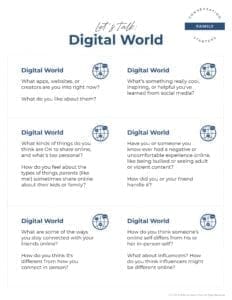 follow-up posts, debates, or even viral moments.
TikTok Community Terms
The following is TikTok slang used in subcommunities and in one’s account status.
BookTok / CleanTok / [Topic]Tok: the naming convention for TikTok subcommunities organized around specific interests (books, cleaning, cooking, etc.)
Drafts: unpublished videos saved inside the app, often referenced casually (“I have 30 drafts.”)
Mutuals: two users who follow each other
Shadowbanned: when a user believes TikTok has limited the reach of their videos without notification
Understanding TikTok slang helps you know what your child is seeing, hearing, and participating in online. That awareness can make digital world conversations easier and help you stay engaged.
What TikTok slang or trends is your teen into right now? Tell us in the comments. We’re always updating the list.