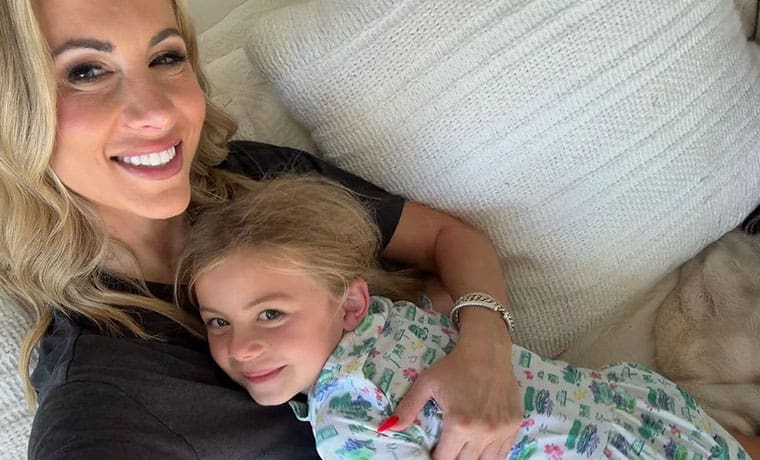
“Come on,” I said, floating the spoon above her lips. “Open up.” She turned her little face to the side, closed her eyes, and probably hoped I’d disappear. Honestly, I couldn’t help smiling to myself. I could kinda get behind her refusal to eat pureed peas. Fast forward a few months, and we’re getting reading to go out. “Put your arm in the sleeve.” She ducked under the dangling raincoat and waddle-ran down the hall. “Nooooo!” This time, I couldn’t smile in response to a toddler who says no.
It can certainly get frustrating. So how do you respond to a toddler who says no? Here are 3 ways—and why she might be doing it in the first place.
1. Respond by staying calm.
Sometimes she says no and folds her little arms across her chest. It can be exasperating, especially if you’re in a hurry or in public. And even though none of us want to show the world we have a disobedient child, remember it’s normal at this stage. Everyone goes through these struggles! Our kids are learning to assert themselves, and they haven’t quite figured out the words or how to express themselves the right way. Instead, they try out the word “no,” and when that fails, they try the next best thing: a temper tantrum.
If your child has ever slithered to the ground in a boneless heap, you know how upsetting it can be. But by age 2, temper tantrums are a normal part of life for toddlers. You don’t want her to hurt herself or others. So, how do you respond to a toddler who says no and then melts down? “You may need to clear the area or remove [her] from the situation,” says parenting expert Tanith Carey. But stay close and stay calm. When you’re calm, it’s easier for your child to calm down too.
2. Acknowledge his big feelings, and empathize with him.
“I know you’re having fun, honey. You’re frustrated you have to stop playing. You’re probably feeling sad too.” It’s hard to stop and talk about feelings, especially when you’re in a rush, but it’s such an important step and will benefit your child as he grows. A child who says no probably has some big feelings but doesn’t yet know what they’re called or that they’re normal. When you name your child’s feelings and empathize with him, you’re giving him the emotional intelligence he needs to handle hard things and to understand it’s OK to feel the way he does. But it takes time and practice—so keep at it.
When your child becomes school-age and has a conflict with another child, he’ll have had practice with naming his feelings and will be better able to identify when a classmate is frustrated or sad too. Being about to identify your own emotions and those of others sets your child up for relationship success as well as resilience in handling difficulties—two skills we all want our kids to have for life.
3. Give her options, and put her in charge of choosing.
“Time to get dressed for church!” you say. And she might respond with that new favorite word of hers: Nooooo. To head it off, give your child two options. Would you rather wear the dress with the tutu skirt? Or the dress with the big pockets? You could even tell her she’s in charge of an important task: I really need your help. Would you rather make sure everyone has shoes on or that everyone has coats on? Giving her a sense of control and a task that she, too, needs to complete will help you get to yes a lot quicker.
When your child cooperates, be sure to praise her! Give her that positive feedback so she’ll want to help you out again. When you give her options, you not only give your toddler that sense of control she craves, but you’re fostering her decision-making skills. We all know no’s can be extremely frustrating. But your child’s finding her voice, says Dawn Yanek for Today’s Parent. She’s growing into her own person, and you’re helping by encouraging her good choices along the way.
How do you respond to a toddler who says no in your home?