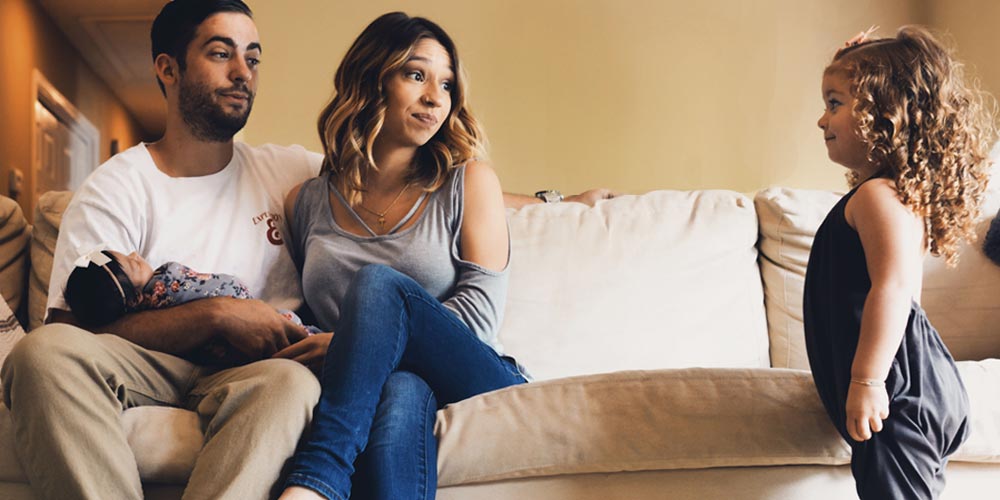
My daughter looked at me, smiled, and smacked her brother with her doll. I’d just warned her that if she did it again, I was taking it away. And she did it anyway. When I took the doll away, she shrugged and responded, “That’s fine. I didn’t want that doll anyway.” Then she left the room to look for another toy, probably to find something else to hit him with. That was the moment I realized what I was doing wasn’t working.
Not every discipline technique works for every kid, and what works in one season of childhood might fall completely flat in the next. If your current method has stopped working, it might just mean your kid has outgrown it or figured out your system. Try these 5 discipline techniques that turn misbehavior into a real teaching moment.
1. Showing Them What’s Right
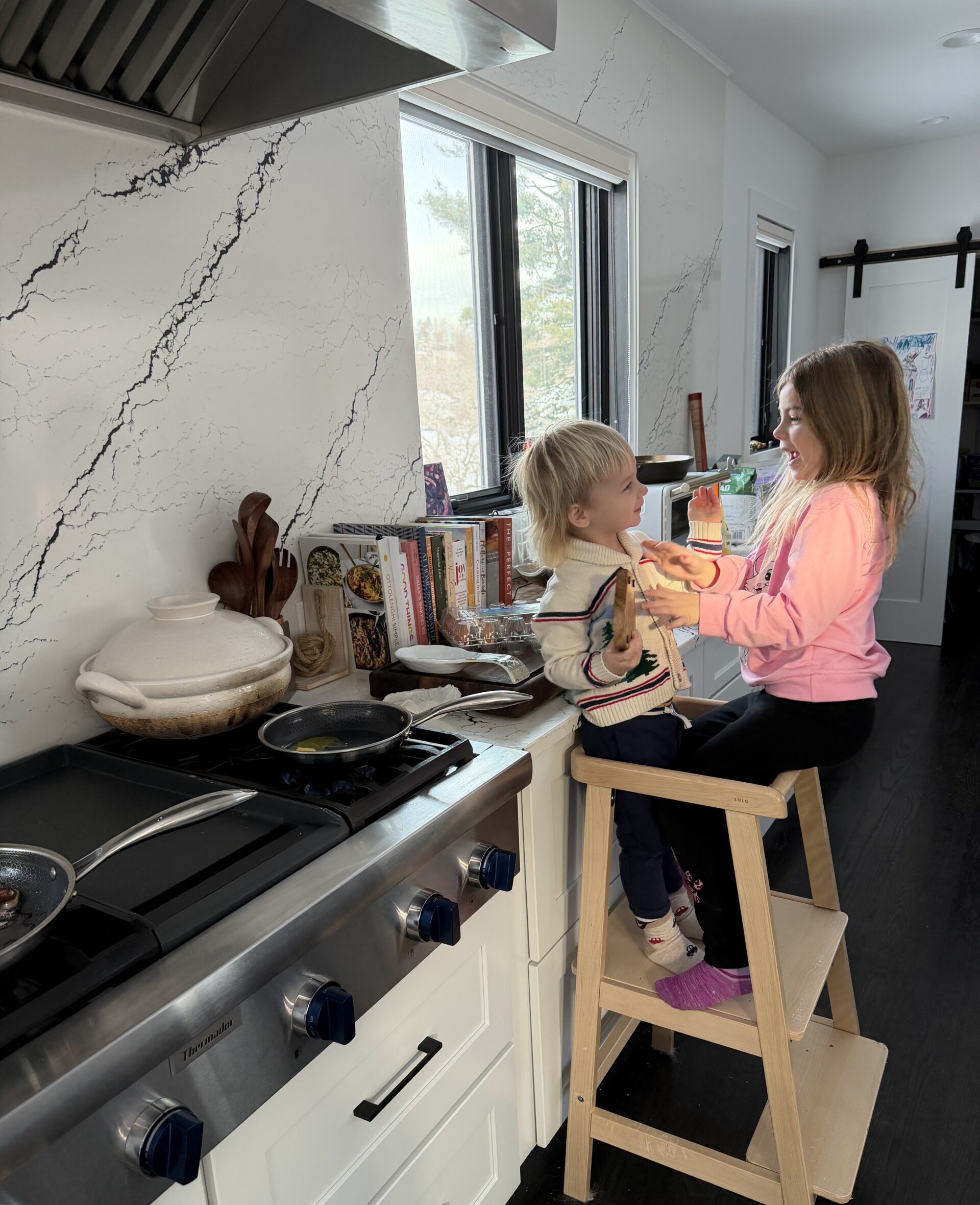
When my son was little, and he refused to do what I asked, I would get down beside him, take his hands, and physically guide his body to do what I wanted. If I wanted him to pick up toys, I handed them to him and led him to the correct bin. If I wanted him to wipe up spilled water, I handed him a rag and guided his hand to clean up the mess. Now that he’s older, instead of doing the correct behavior with him, I’ll do it alongside him, but the point’s still the same: He only learns what to do if I teach him. Compliance is great, but what I really want is for him to know what to do when I’m not in the room.
2. Sit-Downs Instead of Timeouts
I loved time-outs as a kid. I’d go up to my room, which I shared with my little sister, and I’d play with all her toys until it was time to come out. Clearly, it wasn’t the most effective of discipline techniques. In our house now, if my kid needs a time-out, we sit down to cool off (either together on the couch or separately in his bedroom, depending on the child), and then we talk about what went wrong, why it was wrong, and how we can make things better. Disciplining children is about molding their hearts and minds, and as a result, it prevents bad behavior from happening again in the future.
3. Natural Consequences
There’s a reason some punishments stick, and others don’t. It usually comes down to whether they actually make sense. That’s where natural consequences come in. Instead of you deciding what the punishment is, the consequence comes directly from the behavior itself. She forgot her jacket on the playground? She’s cold walking home from the bus stop. He leaves his Pokémon cards outside, and it rains? They’re ruined. There’s no negotiating with that, and there’s no one to be mad at but themselves. It’s one of the most effective discipline tools out there precisely because you’re not the bad guy. Reality is.
4. Helping Them See the Other Person’s Perspective
By ages six or seven, kids are just beginning to develop empathy or the ability to see things from someone else’s point of view, but that doesn’t mean it comes naturally yet. It still needs to be practiced. When my daughter hit her brother with her doll, she thought it was funny. When I encouraged her to consider how she’d feel if she were hit, she sobered up. It might be funny (to her) to hit another person, but she didn’t like the idea of getting hit herself. By asking our kids to picture themselves as the “victim,” we teach them the value of treating others the way we’d want to be treated.
5. Letter Writing or Drawing Pictures 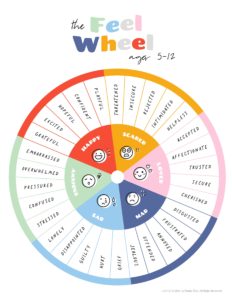
Most kids don’t misbehave because they like hurting people. They misbehave because they feel lonely, overlooked, or are frustrated. Or they could be tired or hungry. Writing letters or drawing pictures for the people they’ve hurt helps them figure out what they feel and why. As your child is writing or drawing, you can also use iMOM’s “Feel Wheel” to help your child identify his or her feelings. Plus, if you actually decide to mail the letter, a sincere apology goes a long way, and teaching kids to own their mistakes is one of the most valuable things we can do for them.
What discipline techniques do your children seem to respond to best? Which ones do you think need to change?