In motherhood, I’ve racked up plenty of mom fails for free, but one epic mistake cost me exactly $231.14. I refer to it as the Naptime Mishap. On that misguided afternoon, I settled my 3-year-old in for a rest with a stack of library books. And my sweet girl proceeded to read all of them—one rip at a time. I clearly overestimated her “turning pages gently” skills. The result? A literary tornado of torn pages and one expensive lesson in teaching gentleness.
That costly mistake taught me two truths: Never underestimate a toddler’s destructive abilities, and gentleness isn’t innate. It’s intentionally taught. If you’re looking for parenting advice on how to raise a gentler child (without the unexpected donation to your local library), here are 5 proven strategies you can start using today.
1. Lead the way.
Interactions with you form your child’s initial guidelines for gentle behavior. From day one, she’s been watching not just what you do but how you do it. Your soft kiss on her forehead models a gentle touch. Your voice’s soothing tone when she comes to you in tears shows her that voices can be gentle. And how you carefully hand her a non-sippy cup full of milk teaches her gentle movements.
But your modeling goes beyond your direct interactions with her. Your child also notices how you respond to a frustrating phone call, navigate an argument with your husband, or handle her sibling’s epic meltdown at the grocery store. These moments under pressure shape her understanding of how gentleness can be expressed in challenging situations.
2. Use books and movies to talk about gentleness.
Stories provide teaching moments for kids of all ages about the impact of gentle choices. (This parenting advice works for teaching all character traits!) Look for books and movies (or TV shows) featuring characters who solve  problems through gentleness rather than force. In our house, the movies How to Train Your Dragon, Big Hero 6, and Charlotte’s Web, as well as the books The Kissing Hand, The One and Only Ivan, and Because of Winn Dixie opened up the door for conversations about gentleness with my kids.
After watching or reading together, talk about it by asking questions like:
- What happened when the character chose to be gentle (or not)?
- Do you think the story would have ended differently if the character tried a harsher (or more gentle) approach?
- Which character showed the most gentleness? In what ways?
- Why do you think gentleness worked better than being forceful?
3. Give your child practice.
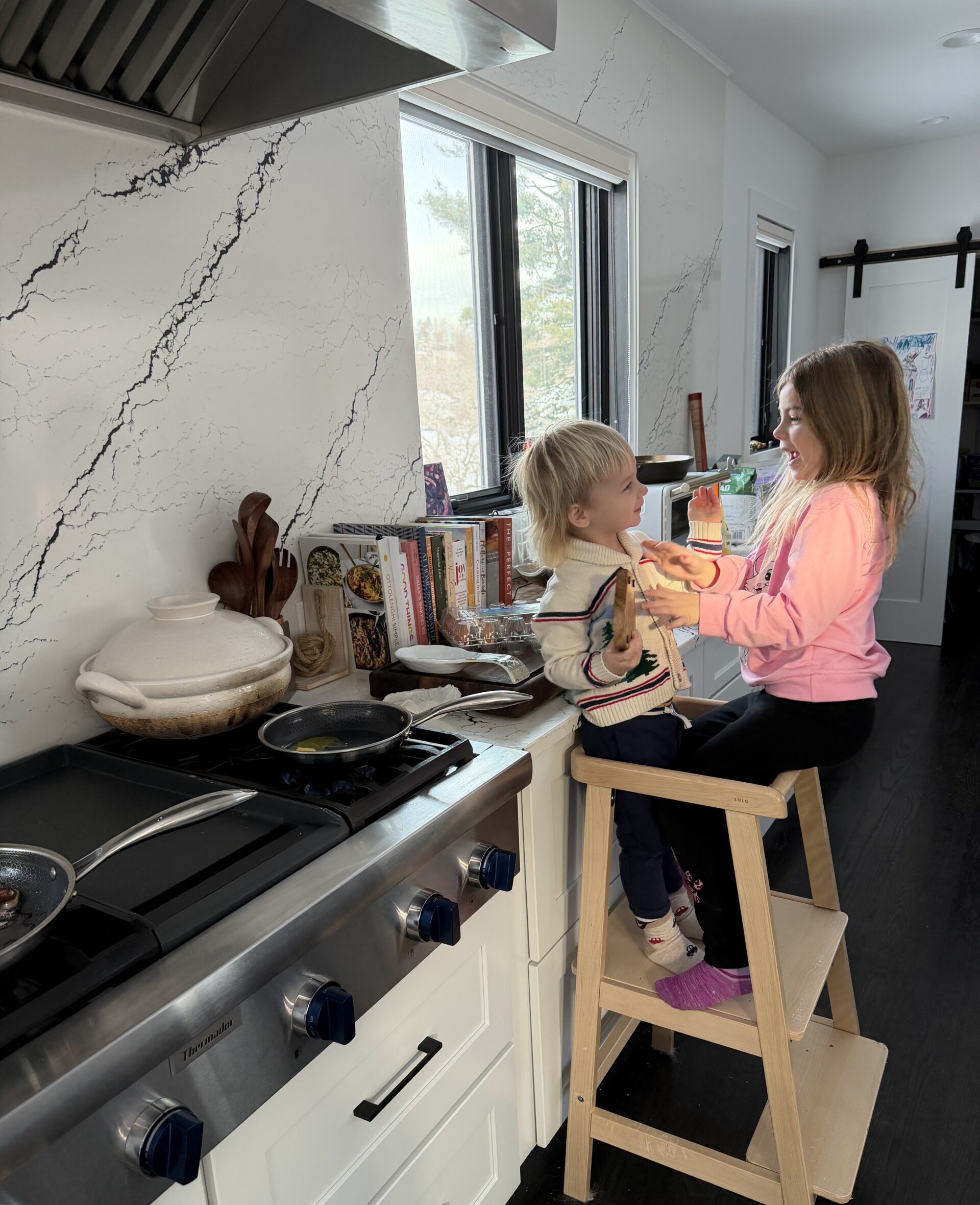
Kids learn best through real-life experiences, so find everyday ways to let your child practice gentleness. Invite your child to be your helper in the kitchen as you unload the dishwasher, wash the strawberries for snack time, or set the table. Or give your child the weekly chore of brushing the dog or watering the plants. Even challenging your child to a game of “Catch the Bubbles Without Popping Them” can teach the delicate balance of gentle movement and self-control.
4. Point out the good stuff.
When you catch your child being gentle with words or actions, let him know you see and appreciate his choices. Be specific. Instead of saying “good job,” try something like, “I noticed how you spoke softly when your sister was upset. You chose a really gentle way to use your words to help her feel better.” This kind of feedback helps your child connect gentle actions with positive outcomes, making him feel good about his behavior and encouraging him to continue. 
Keep an eye out for moments when being gentle might have been challenging for your kid—like during a heated game or a disagreement with a friend. Your acknowledgment reinforces that gentleness is a choice worth making, even when difficult.
Check out our Good Character Traits for Kids Printable Calendar and download for free!
5. Nurture empathy development.
Empathy and gentleness grow together when children learn to recognize others’ feelings and respond thoughtfully. Help your child consider another person’s perspective by asking questions like: “How do you think your friend felt when that happened?” or “What might have gone differently if you spoke more gently instead of yelling?” These conversations teach emotional awareness and lay the foundation for responding with kindness.
When possible, offer a “do-over” to replace a harsh reaction with a gentler one. Whether it’s a sibling conflict or a moment when they’ve spoken harshly to you, this practice turns real-life situations into valuable lessons in choosing gentleness over anger.
Do you have any parenting advice on how to teach young children to choose gentleness, even in conflict?