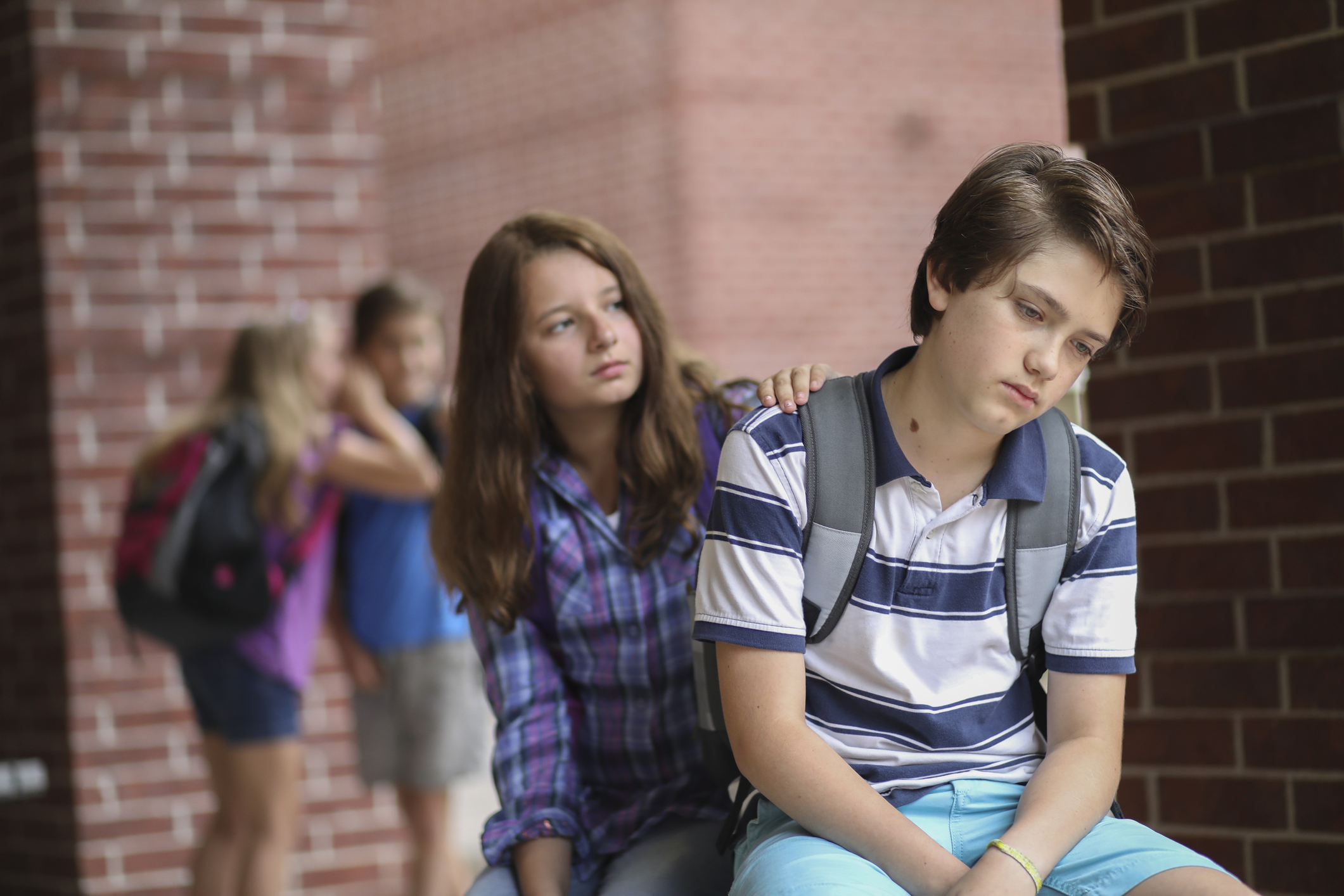
Loneliness has become a problem in our society. It touches everyone at some point in their lives, but its risks prompted the surgeon general to write an advisory on how loneliness and isolation can significantly affect our health and well-being. What we need to be aware of as parents is that these risks are affecting a majority of teenagers right now. Sadly, lonely teens can also face many other obstacles along the way—unless we step in to help.
“Adolescence appears to be a particularly vulnerable time” with “more than 50% of adolescents” reporting they’ve experienced “loneliness repeatedly,” says Berit Brogaard, D.M.Sci., Ph.D. That’s a big percentage. Here are 3 risks our lonely teens face and what to do if loneliness is an ongoing problem in your home.
1. The Risk of Developing Anxiety or Depression
During the teen years, kids face more social and academic pressures. Their bodies and brains are changing, and all of it can be stressful. This increase in stress can then play “a significant role in withdrawal behaviors,” says Dr. Brogaard. “Unfortunately, these behaviors can push others away, leading to further isolation and exacerbating feelings of loneliness.” When feelings of isolation and loneliness set in, so can worries and self-doubt. Worries about fitting in and belonging can turn into anxiety. And if a teen starts to retreat to her room more often, and doesn’t seem interested in pursuing relationships, that could be a sign of depression.
In a study published in Development and Psychopathology, researchers found that “[b]y 18, those who had undergone periods of loneliness in the last six years were the most likely to experience problems such as depression and anxiety, as well as lower levels of life satisfaction and quality of sleep.” Loneliness increases the risk of being depressed and anxious, according to several more studies, including this one and this one. Chronic loneliness can then continue to affect kids’ long-term mental health.
What you can do: Work on fostering a connection with your teen even as she’s naturally growing apart from you in adolescence. Be available when she wants to talk, and encourage her to connect with other caring adults in your family and community. Dr. Brogaard says, “Adolescents who feel supported and connected to their parents, grandparents, teachers, coaches, or school counselors are less likely to experience unwarranted loneliness.” And do follow up with your child’s pediatrician or a mental health professional to learn about treatment options for anxiety or depression if you’ve already seen signs.
2. The Risk of Lower Academic Performance
This risk surprised me. But research in The Journal of Youth and Adolescence shows that lonely teens struggle more academically. Their loneliness was “related to poorer school functioning, including both grades and school absences.” Journalist Nick Morrison begins a Forbes article stating, “Children who feel lonely are more likely to leave school with worse grades than classmates who never experience loneliness.”
But you might wonder how the two are connected. A study in BMC Psychiatry says when someone feels lonely, they might avoid socializing, and this lack of connection can lead them to procrastinate with their studies, possibly leading to lower grades and academic failure over time. It’s like loneliness becomes a barrier, making teens less motivated to focus on their schoolwork because they’re not engaging with others or seeking help when needed. A different study published in the National Library of Medicine says that isolation impairs the ability to learn new skills, which can obviously affect school performance. Consequently, it’s not surprising that lonely teens dislike school and have little desire to put in the effort to succeed.
What you can do: Early intervention is important. If you have a lonely teen, give him the support he needs as soon as you know he’s struggling so he doesn’t fall behind academically. That could mean offering to help with homework, quietly sitting with him in solidarity as he does his work, finding him a tutor, or setting up a conference with his teachers. Finding a study group at school would have a two-fold effect of providing him with academic support and also getting him face-to-face interaction with other teens. If grades dip early on in high school, it can result in a teen falling behind and also impact his self-esteem. A lower level of confidence can create a vicious cycle with loneliness.
3. The Risk of Poor Physical Health
If you have a teen who’s struggling with loneliness, she might be home a lot and not out doing activities that could help her interact with others and make new friends. As a result, she’s probably living a sedentary life. A study published in JAMA Pediatrics followed up with adults who were lonely as children and found that “social isolation has persistent and cumulative effects on poor adult health.” The risk, say researchers, is cardiovascular disease, which includes factors such as obesity, elevated blood pressure, and elevated total cholesterol level.
What you can do: Encourage your teen to get off her phone and get moving. While the internet can be used to enhance existing friendships and forge new ones, it could also be the cause of your teen’s loneliness. A study cited in an ABC News Report says that teen loneliness has “increased sharply, correlating with a rise in digital media use.” But in-person interactions can protect against loneliness.” Suggest to your teen that she do some volunteer work at church or join a club at school.
Encourage physical activity as well. Exercise can improve your teen’s mood, increase optimism, and it can lead to improvement in her cardiovascular, digestive, and immune systems, says the Mayo Clinic. Anything from walking to yoga to participating in a sport helps. As parents, we know there will be ups and downs in the years ahead. That’s why it’s important to work with your teen now to develop healthy habits and coping skills for the inevitable bumps in the road.
Being a teen’s parent isn’t easy, especially if she’s struggling with loneliness. But your guidance during these challenging times matters. And you have more influence than you might think!
Which risk is the most daunting to you?