Have you ever paid your kid to read a book, join a team, or get better grades? I’m totally guilty. But I’ve learned a bribe doesn’t spark that motivation in children that makes them want to keep going on their own. Harvard-trained psychiatrist Dr. Shimi Kang says we need to change that. Developing self-motivation in kids is so important. Once they have it, “[Y]ou can sit back knowing that you’ve given him or her the one thing they will need to thrive in our fast-changing society. You’ve also provided them with the key to happiness.” That sounds great. But how do we do it?
We can’t force motivation for children. But there are things we can do to ignite that spark. We may have to shake up our parenting style just a bit. To inspire self-motivation in your child, here are 3 things you can start doing today.
1. Give kids free time to play.
Parenting today is different from when we were kids. But one of the keys to developing kids’ self-motivation is more free play. From the moment my kid could walk, I had a ball glove on his hand. But you know what? He never got into it. So, we moved on to karate. Then soccer. And on and on. When kids have free time to play with friends or siblings, they’re given the opportunity to find what they enjoy—not what we think they should like. It sounds simple, Dr. Kang says, because it is. Self-motivation stems from the time and space given to kids to make their own choices about what sparks their inner drive.
Bottom line: When we stop over-scheduling and stop planning all their free-time activities, our kids have the space and time to find what motivates them.
2. Give kids more freedom without hovering nearby.
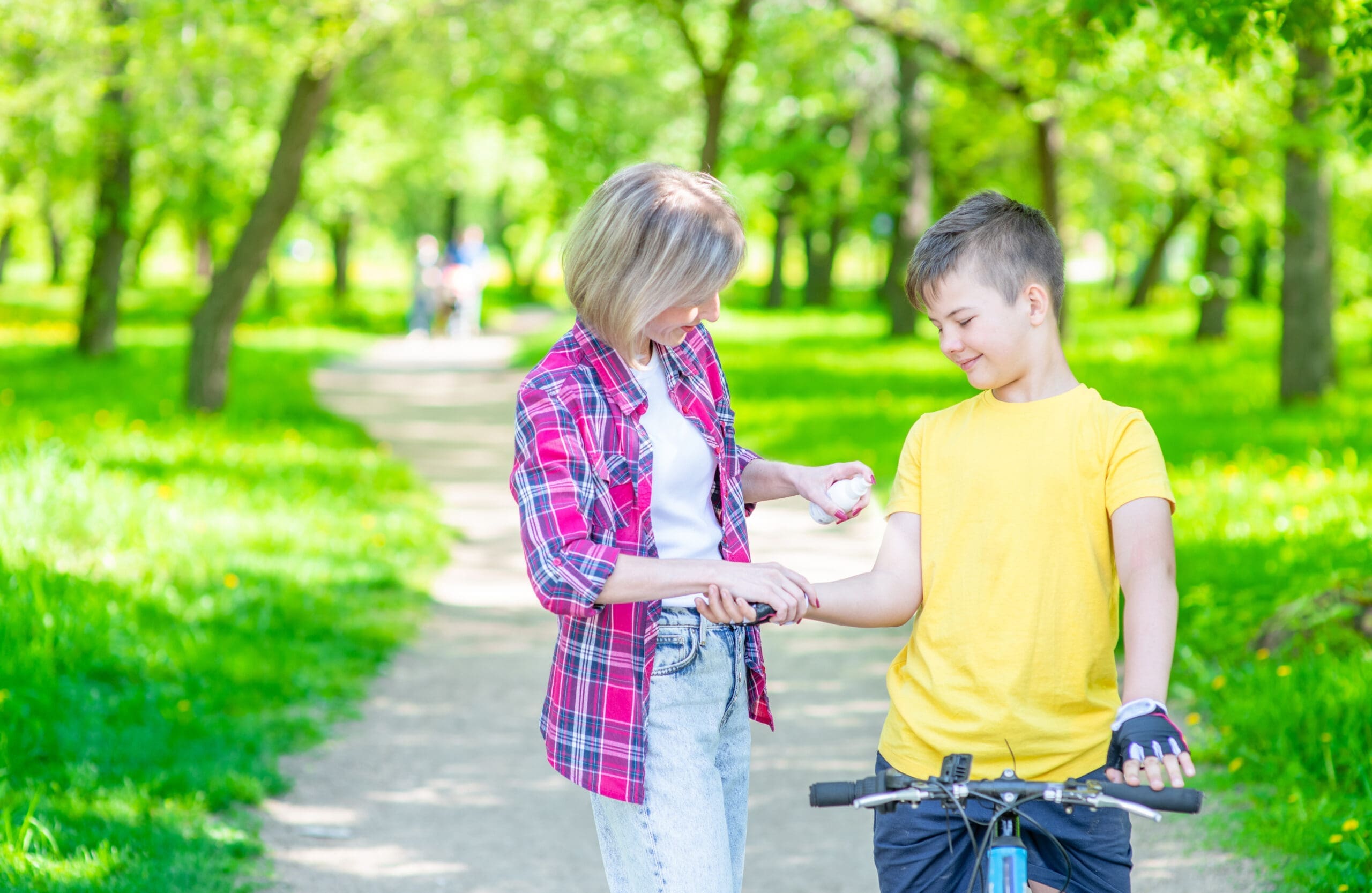
Living in a tiny urban condo when my son was little didn’t give him a lot of opportunities to explore on his own. But if you can give your child more freedom to play in the back yard or at his friend’s house without you hovering nearby, this will help develop your child’s inner drive. And it works for tweens and teens too who would benefit from making their own choices about what to wear or what to do after school. We should guide our children, as Dr. Kang says, but not clear the path for them. Kids need to learn from trial and error. “By interfering too often, [we] don’t allow [our] children to develop self-motivation—an essential ingredient of independence,” says Kang in The Self-Motivated Kid. Stepping back to give our kids more freedom to make their own choices is good practice in developing internal motivation.
Bottom line: Letting kids handle bumps both real and metaphorical can help kids develop skills they need to adapt and grow. We don’t need to hover over their every move or solve every problem for them.
3. Give kids less stuff.
My two kids have more things filling up their bedrooms than I ever did. From toys to clothes to games—their stuff fills drawers and often covers every inch of their floors. Kang says, “Overindulged children have a lower sense of independence, self-reliance, and personal problem-solving capabilities.” Ouch. She argues that kids who have everything they want have little to strive for. “After all,” she asks, “where’s the motivation to pursue the things you already have?” She advises us to say no to our kids more often. I know I need to take a hard look at birthdays and Christmases, along with all the shopping trips in between. Yes, it’s hard to resist our kids’ pleas, but I’m learning the payoff for kids will be better.
Bottom line: Self-motivated kids don’t get everything they want. And they learn how to cope in the process. Setting limits will help our kids find the motivation they need to succeed and work toward their own happiness in life.
We have more coming on the topic of self-motivation. Stay tuned for future articles!
Motivation for children doesn’t stop here. There are more things we can do to foster self-motivation in children no matter what age. What suggestions do you have?