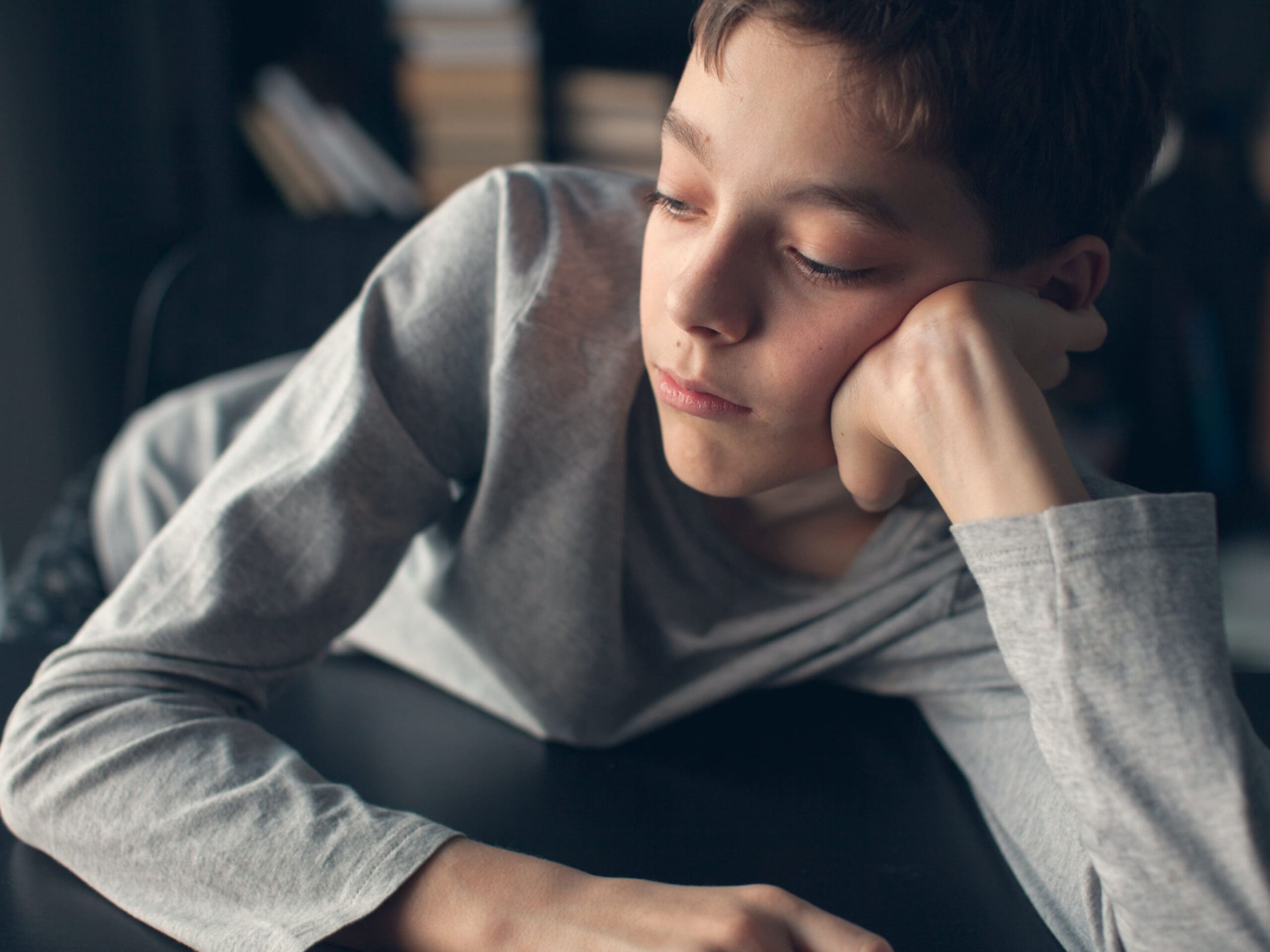
Many of us underestimate the critical link between sleep and a child’s well-being. When we regularly let our kids stay up late and don’t maintain a consistent bedtime, it negatively affects their behavior. Some kids respond with extra worries and anxiety during the day. And with too little sleep, anxiety can become a constant battle.
If you have a kid who struggles with worries and anxiety, sleep may be the obvious answer you haven’t already considered. Logging enough hours over several days can reset the body, improve mental health, and promote resilience in kids. Here are 6 ways you can help with anxiety by harnessing the healing power of sleep.
1. Understand how much sleep your child needs.
Let’s start with the facts. According to the CDC, 35% of children between the ages of 4 months and 14 years old were sleep deprived in 2020–2021. And more than two-thirds of high school students didn’t get enough sleep in 2021. So, what’s enough sleep? Children ages 6 to 12 require 9 to 12 hours of sleep nightly, while teens 13 to 17 need 8 to 10 hours. Because the school day starts early for most kids, they need to get to bed early enough to get that much sleep.
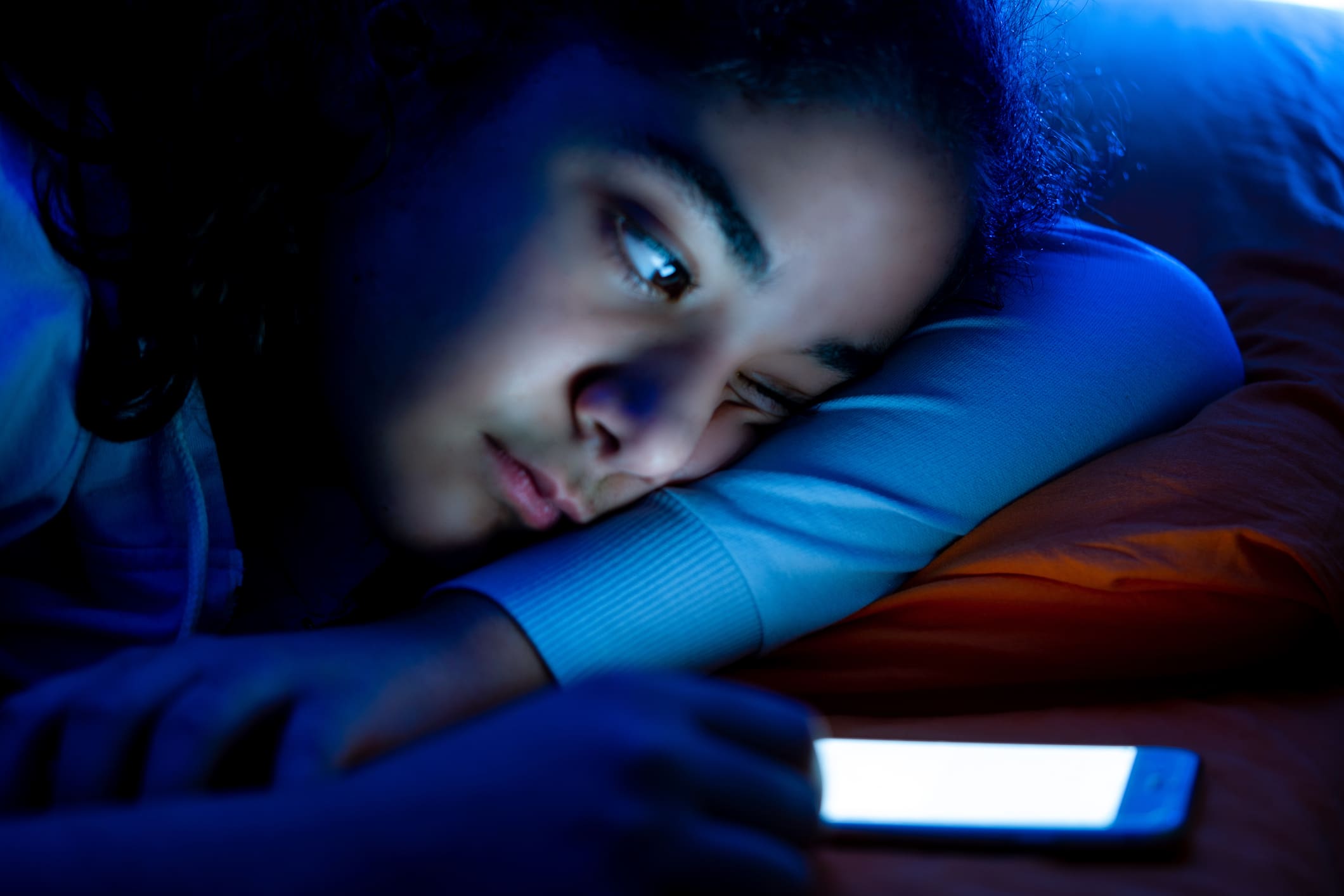
One way to help your kids get to sleep at night is to make sure their phones (or any tech) stay out of the bedroom. Keeping them overnight can make it too tempting for kids to respond to notifications or start scrolling. And when they’re tired, it’s also hard for kids to make good decisions about online activity or keep track of time. So, to set kids up for sleep success, make sure this rule is clear.
2. Recognize the signs of sleep deprivation.
When children aren’t getting enough sleep, they don’t act like themselves. They may be silly or hyperactive. They may have difficulty waking up in the morning, or they may be accident-prone, irritable, or aggressive. They may be defiant or overly emotional. They may also have poor concentration, according to the Mayo Clinic. And all of this can affect their success in school.
Older kids aren’t so different. “When teenagers are not getting enough sleep, they are grumpier. They have a harder time focusing. They have a harder time remembering things. They’re more likely to have accidents. They like themselves less. They like other people less,” says psychologist and author Lisa Damour. No matter what age, kids need enough sleep to feel like themselves.
3. Make the connection with sleep if your child has worries and anxiety.
It’s possible that your child’s worries are a result of not getting enough sleep. “‘Healthy sleep is critical for children’s psychological well-being,” says psychologist Candice Alfano. “Continually experiencing inadequate sleep can eventually lead to depression, anxiety, and other types of emotional problems.” This is a scary thought.
Dr. Shimi Kang wrote about a teenager named Sanjay in her book The Self-Motivated Child. Sanjay was juggling honors classes, volunteer work, and SAT prep. Because of his rigorous schedule, he didn’t sleep enough. He was “a brilliant boy,” but he started to have trouble thinking clearly, and it caused his grades to slip. “He thought he was going crazy and would end up in a psychiatric hospital, which I agreed could be true, if he didn’t get some sleep,” says Kang. Sanjay didn’t think something as simple as sleep would solve his problems.
When Kang explained to him that “sleep deprivation is about as bad as chronic smoking for your health,” Sanjay decided to give it a try. After four days, “He noticed a dramatic improvement in his mood, energy, focus, and concentration.” And within two weeks, “He was back to his normal self and thanked me profusely for saving his life.” All she did was recommend more sleep—and that’s something we can do for our kids.
4. Recognize the changes in your child’s emotions.
I just want to be happy. I’m so stressed. I hate school. Why can’t things go better for me? If your child hasn’t been sleeping well, he may have an increase in worries and anxiety. In a study by the American Psychological Association, researchers found that “sleep deprivation makes us less happy and more anxious.” The researchers kept participants in the study awake longer, gave them less overall sleep, or interrupted their sleep. They found that “all three types of sleep loss resulted in fewer positive emotions such as joy, happiness, and contentment, as well as increased anxiety symptoms such as a rapid heart rate and increased worrying.” And they found this happened even when participants stayed up only an hour or two later than usual. It’s almost hard to believe, but a loss of just a couple of hours made a significant impact on the participants’ mood and emotional regulation.
The study’s participants were adults. If they were affected so dramatically by sleep loss, imagine how much it hurts our kids, who are still growing and developing. Alfano says a lack of sufficient sleep can have lasting effects on their mental health too. She says parents “need to think about sleep as an essential component of overall health in the same way [we think about] nutrition, dental hygiene, and physical activity.” It’s just as important.
5. Make bedtime a decision, not a suggestion.
Most kids don’t like going to bed. That’s normal! And for teens with full schedules, they may feel like they need to stay up late to get everything done. But at some point, we need to adjust our priorities. A great academic record is going to be no good for a teen who’s miserable or has declining mental health.
If we make that shift to prioritize kids’ sleep over everything else, including GPA and sports, we will be investing in their mental health down the road. Unfortunately, there’s a vicious cycle of sleep loss creating anxiety, which then contributes to sleep loss, which creates more anxiety. Breaking the cycle will take work, and that’s where we have to be firm (or strongly encouraging with teens!) about bedtime.
The National Institutes of Health reports that “children who got less sleep had more mental health and behavioral challenges than those who got enough sleep. Less sleep was linked to stress, depression, anxiety, and aggressive behavior. Kids who lack sleep also had problems with making decisions, solving conflicts, and learning.” The list of problems is long. That’s why I’ve started advising my teen to “take the incomplete” on his assignment and get to sleep. Most of the time, it spurs him on to get his work done and get to bed. But it also sends the message that sleep is important, and he needs to make it a priority.
6. Make sleep an important part of healing or managing your child’s anxiety.
Well-rested kids are better able to handle challenges and setbacks. They’re more balanced and resilient. With adequate sleep, kids can focus and learn better. They’re also going to have better social interactions. If your child has anxiety (or she worries a lot), she’s going to better handle life’s ups and downs if she’s rested.
“The bottom line…is that if we could bottle what sleep does for [kids and] teenagers and truly for all of us, this would be the most valuable drug on the market,” says Dr. Damour. But it’s not a drug, or a magic pill. We have access to sleep at the end of each day. Because we want our kids’ worries and anxiety to go away, sleep is the right step in the right direction.
If your child struggles with worries and anxiety, what have you done that has helped?